A Complete Guide to Jamaican Food Seasonings and Spices
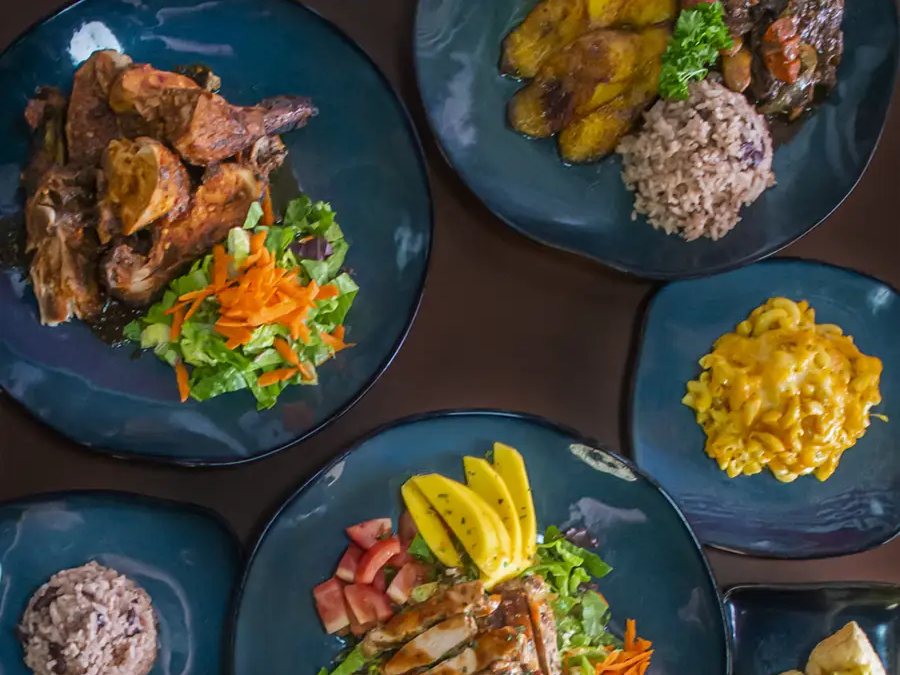
Jamaican cooking has a way of announcing itself before it reaches the table. You smell it first, often from several yards away: scallion hitting hot oil, thyme releasing its sharp herbal scent, allspice warming in the pot, Scotch bonnet bringing that bright, almost fruity heat. Good Jamaican food is layered rather than simply hot or salty. That is the first thing many people miss when they try to recreate it at home.
The seasonings and spices used in Jamaica do more than flavor food. They define texture, aroma, color, and pacing. A curry goat that tastes flat usually lacks the right spice balance, but just as often it has not had enough fresh seasoning worked into the meat. A pot of rice and peas can be technically correct and still taste ordinary if the thyme is weak or the scallion is stale. https://emilioceqa069.northstarcolumn.com/posts/the-top-street-style-jamaican-food-you-have-to-try Even something as straightforward as fried fish depends on seasoning choices that respect the ingredient rather than bury it.
Anyone trying to understand Jamaican food needs to start here, with the seasonings that form the backbone of the cuisine. Some are dry spices with deep colonial and trade-route histories. Others are fresh aromatics grown in kitchen gardens, bought in open-air markets, or kept on hand in a jar of green seasoning in the refrigerator. Together they create the unmistakable character people recognize in jerk, escovitch, brown stew, curry dishes, soups, patties, and everyday home cooking.
The flavor logic behind Jamaican cooking
A lot of Caribbean food gets flattened into easy labels like spicy, bold, or smoky. Those words are not wrong, but they are incomplete. Jamaican seasoning is about contrast and control. Heat from Scotch bonnet is balanced by sweetness in browning or natural sugars from onion. Deep earthy spices are lifted by fresh thyme and pimento. Salty cured ingredients, especially in older recipes, are rounded out by herbs and aromatics. Acid from lime or vinegar often sharpens the finish.
This matters because Jamaican food is rarely built from a single dominant note. Jerk seasoning, for example, is often reduced in conversation to heat alone. In reality, a proper jerk profile leans heavily on pimento, thyme, scallion, garlic, ginger, and a measured amount of sweetness. The chile should be present, but it should not erase everything else. The same principle applies across the cuisine. A seasoned pot is one where each ingredient has a job.
Cooking methods also shape the way spices are used. Long braises like oxtail or brown stew chicken need spices that can hold up over time. Delicate dishes, such as steamed fish or callaloo, rely more on fresh herbs and restrained seasoning. Grilled meats can handle stronger rubs. Soups ask for aromatics that infuse the broth without becoming muddy. Jamaican cooks learn these relationships by repetition. After enough pots, you stop reaching for seasonings as separate items and start thinking in combinations.
Pimento, the spice that sits at the center
If one ingredient deserves to be called foundational, it is pimento, also known internationally as allspice. Jamaica is one of the places most closely associated with it, and its flavor is essential to the island’s culinary identity. Whole pimento berries smell warm and complex, with hints of clove, cinnamon, nutmeg, and pepper, though they are their own thing entirely. Ground pimento is useful, but whole berries are often better in stews, rice dishes, soups, and marinades because they infuse gently and stay more fragrant in storage.
Pimento is central to jerk, but its role extends much further. It seasons brown stews, pepper pot soups, pickling liquids, escovitch sauces, and festive dishes like sorrel drinks during the holiday season. In many Jamaican kitchens, a few crushed pimento berries can rescue a dish that tastes underbuilt. Used carelessly, though, it can dominate. Too much ground pimento in a dry rub makes the food taste dusty and heavy. The skill lies in using enough to create warmth and identity without turning the dish medicinal.
Fresh pimento wood and leaves add another layer when available. Traditional jerk cooking, especially in rural or roadside settings, often uses pimento wood for smoking. That contributes a fragrance you cannot fully imitate with bottled seasoning. Even so, the underlying spice profile still matters. Smoke alone does not make jerk.
Thyme, scallion, onion, and garlic: the everyday backbone
Many people outside the Caribbean expect the defining flavors of Jamaican food to come mostly from dry spices. In practice, fresh seasonings carry enormous weight. Thyme is one of the most important. Jamaican thyme can be assertive and slightly wild in character, and it threads through soups, stews, rice and peas, curry dishes, and fish preparations. It is one of those ingredients you notice when it is absent, even if you cannot name what is missing.
Scallion, often called green onion in supermarkets, is another essential building block. It provides freshness, mild bite, and a green savoriness that red or yellow onions cannot replace. In jerk marinades and green seasoning pastes, scallion does a lot of the lifting. It blends smoothly, perfumes the mixture, and softens as it cooks. Old scallion loses much of its value, so this is one ingredient worth buying fresh and often.
Onion and garlic work in familiar ways, but Jamaican cooks tend to use them with a strong sense of proportion. Too much garlic can bulldoze more delicate herbs. Too little onion can make a braise taste thin. In many home kitchens, these are not measured ingredients. They are adjusted according to the protein, the pot size, and the intended cooking time. That instinctive adjustment is one reason family versions of the same dish can taste different while still feeling recognizably Jamaican.
Scotch bonnet is not just heat
Scotch bonnet peppers deserve better treatment than they usually get in recipes written for a broad audience. They are commonly introduced as one of the hottest peppers in the world, which is true enough, but the more important point is that they are aromatic. A good Scotch bonnet has fruitiness, floral notes, and brightness. If you substitute a generic hot sauce or a neutral chile solely for heat, the dish may burn properly but still taste wrong.
The way Scotch bonnet is used varies by dish. In soup, one whole pepper may simmer in the broth to perfume it, sometimes left intact so the heat stays controlled. In escovitch sauce, sliced bonnet adds direct punch and liveliness. In jerk seasoning, it is blended into the marinade, where its fruitiness marries with pimento and thyme. In steamed fish, a few slices may be enough. This is one of the clearest examples of judgment in Jamaican food. The same ingredient behaves differently depending on whether you want background aroma, sharp immediate heat, or full saturation.
There is also a practical issue of tolerance. Plenty of Jamaican households cook with less heat than outsiders imagine, especially when children or older relatives are eating. The food still tastes Jamaican because the pepper is one part of a broader seasoning system, not the only signal.
Ginger, nutmeg, cinnamon, and clove in savory and sweet cooking
Jamaican seasoning is not limited to the savory staples most people know. Ginger appears in marinades, drinks, baked goods, and some meat dishes, especially where warmth and brightness are needed together. Fresh ginger in jerk or curry preparations adds edge and fragrance that powdered ginger rarely matches. It also has a practical role in balancing rich meats.
Nutmeg, cinnamon, and clove are often associated with desserts and beverages, and rightly so, but they can also appear in festive savory preparations and spice blends in modest amounts. Jamaican patties, for instance, sometimes carry a whisper of warm spice in the filling, depending on the cook. These are not flavors to overstate. In savory cooking they should register as depth rather than announce themselves.
This overlap between sweet and savory spice use is part of what gives Jamaican food its breadth. The same kitchen that turns out a curry chicken for lunch may later use nutmeg and cinnamon in sweet potato pudding, or steep pimento and ginger in a drink. The pantry is interconnected.
Curry powder in Jamaica has its own personality
People often speak of curry as though it were a fixed flavor. Jamaican curry powder has its own character, shaped by local taste and adaptation. It often leans on turmeric for color, along with coriander, cumin, fenugreek, mustard, black pepper, and other spices depending on the blend. What makes Jamaican curry distinct is not just the powder itself but how it is handled.
Many cooks “burn” or bloom the curry in oil at the beginning of cooking. Done properly, this toasts the spices, deepens the flavor, and removes any raw powdery taste. Done carelessly, it can turn bitter. That small technical step is one reason a home-cooked curry goat or curry chicken can taste far better than a rushed version. The curry needs fat, heat, and time to open up.
Jamaican curry also usually involves fresh supporting seasonings, especially thyme, scallion, onion, garlic, ginger, and Scotch bonnet. So even when curry powder is the lead note, the dish still belongs to the broader flavor family of Jamaican food. It should taste rounded and aromatic, not like plain turmeric stew.
Browning, soy sauce, and the savory pantry
When people discuss spices, they sometimes ignore the seasonings that are not botanicals but still shape flavor dramatically. Browning sauce is one of them. Used in small quantities, it adds color and a slightly bittersweet depth to stews and gravies. Brown stew chicken without browning often looks pale and tastes unfinished. Too much browning, though, leaves a harsh, almost burnt edge. This is another ingredient where restraint matters.
Soy sauce and Worcestershire sauce also appear in many Jamaican kitchens, especially in marinades and stews. They are part of the seasoning toolkit that evolved over time through trade, migration, and practicality. Purists may debate exact combinations, but the broader truth is simple: Jamaican cooking has always been adaptive. The best cooks know how to use these pantry items without making the food taste generic or overly salty.
Salt itself deserves mention because seasoning in Jamaican cooking is cumulative. You may have salt in the marinade, soy sauce in the pot, stock in the liquid, and perhaps salted meat in older-style recipes. If you are not thinking ahead, the dish can tip quickly. Good Jamaican cooks season in stages and taste with intent.
The green seasoning jar and why it matters
Many households keep some form of blended green seasoning on hand. The exact contents vary, but it often includes scallion, thyme, garlic, onion, ginger, Scotch bonnet, and sometimes parsley, sweet pepper, or celery. This is not a universal formula, and that is the point. Green seasoning reflects personal style, family habit, and availability.
Its value is practical as much as culinary. A spoonful can jump-start a weekday pot of chicken, wake up red peas soup, or season fish before frying. It also helps flavors penetrate more evenly than sprinkling dry spices at the last minute. In a busy kitchen, that matters. The difference between meat that is merely coated on the outside and meat that has been properly seasoned through is easy to taste.
One caution: green seasoning is not immortal. After a few days, fresh notes fade. After a week, the mixture may still be usable for cooked dishes but lose the sparkle that makes it special. Some people freeze it in small portions, which is sensible, though fresh batches still taste best.
Jerk seasoning, properly understood
No guide to Jamaican seasonings is complete without jerk, but jerk deserves to be treated with more precision than it usually gets. Store-bought jerk pastes and dry rubs vary widely. Some are excellent. Many are dominated by salt, sugar, smoke flavor, or anonymous heat. Real jerk should smell vividly of pimento and thyme, with scallion and Scotch bonnet close behind. Ginger, garlic, cinnamon, nutmeg, and clove may appear in supporting roles, but the blend should remain balanced.
Traditional jerk was developed as a method of preserving and cooking meat, especially in a pit or over wood smoke. Modern home versions use grills, ovens, and smokers, often with good results. But whether you are using chicken, pork, fish, or even tofu, the seasoning must still be alive. If it tastes like barbecue sauce with extra chile, it has drifted too far.
A practical rule helps here:
- Pimento should be easy to identify.
- Thyme and scallion should smell fresh, not buried.
- Heat should build, not hit like a blunt object.
- Sweetness should support the crust, not turn sticky.
- Smoke should complement the spice blend, not replace it.
That short test catches most weak jerk recipes immediately.
Seasoning different proteins the Jamaican way
One of the useful things about understanding seasonings at a deeper level is that you begin to see how they shift with the ingredient. Goat can carry heavy spice and long marination. Chicken responds quickly to fresh green seasoning and benefits from balanced acidity. Fish usually needs a lighter hand, especially if the fish is delicate or very fresh. Pork welcomes assertive jerk profiles and smoke. Oxtail needs seasoning that survives long braising and enriches the gravy rather than sitting on top of it.
The common mistake is using one blend for everything. That is convenient, but it flattens the cuisine. Jamaican food is bold, yes, but it is not one-note. A steamed snapper seasoned exactly like jerk pork is not bold, it is poorly judged. Experience teaches moderation as much as intensity.
Beans, vegetables, and starches also matter. Rice and peas depends on thyme, scallion, coconut milk, and often pimento. Callaloo may take onion, garlic, thyme, Scotch bonnet, and sometimes tomato, but should still taste green and fresh. Even boiled green bananas or yam can be transformed by what they are served with, whether that is ackee and saltfish, rundown, or a properly seasoned stew.
What to keep in a Jamaican pantry
For someone building a useful pantry at home, the goal is not to buy every Caribbean product at once. It is to have the core ingredients that create authentic flavor patterns.
- whole pimento or good-quality ground allspice
- dried thyme and fresh thyme when possible
- scallion, onion, garlic, and fresh ginger
- Scotch bonnet peppers, fresh or carefully frozen
- Jamaican-style curry powder and browning sauce
With those in place, you can cook an impressive range of dishes. Add soy sauce, black pepper, nutmeg, cinnamon, cloves, and coconut milk, and the possibilities widen considerably.
Fresh versus dried, local versus imported
People often ask whether they need ingredients grown in Jamaica to cook Jamaican food properly. The honest answer is that some ingredients make a bigger difference than others. Fresh Scotch bonnet, good thyme, and quality pimento matter a lot. A generic “Caribbean seasoning” blend from a supermarket shelf usually does not deliver the same result. On the other hand, you can make excellent Jamaican dishes outside Jamaica if your technique is sound and your ingredients are fresh.
Dried herbs and powdered spices are not inherently inferior, but they age fast. Ground pimento loses fragrance over time. Dried thyme can become dusty if it has been sitting too long. Curry powder can go flat in a warm cupboard. This cuisine rewards freshness. If your seasonings smell weak in the jar, they will taste weak in the pot.
One more nuance is worth noting. Imported ingredients sometimes carry emotional authority but are not always the best purchase if they are old. A fresh bunch of local thyme from a farmers market can outperform a dried imported packet every time. The same is true of scallion and ginger. Authenticity is not just branding. It is flavor.
Common mistakes that make Jamaican food taste dull
The most frequent error is underseasoning early and trying to fix everything at the end. Jamaican cooking often benefits from marination or at least a resting period after seasoning. Another mistake is using too many dry spices without enough fresh aromatics. That creates heaviness rather than depth.
Overusing Scotch bonnet is another classic misstep. If the dish is so hot that pimento, thyme, and meat flavor disappear, the balance is broken. The reverse problem also happens when cooks are so cautious about heat that they omit bonnet entirely and lose the fruitiness it brings.
A final issue is impatience. Browning needs care. Curry needs blooming. Stews need time for seasoning to settle into the gravy. Jerk needs enough contact time to penetrate. There are shortcuts in every cuisine, but Jamaican food punishes rushed seasoning more than many others do.
Why these seasonings endure
Jamaican food carries history in its seasoning choices. Indigenous influence, African technique, European trade, Indian indenture, and local improvisation all show up in the pantry. That is why the cuisine tastes so complete. It was shaped by movement, hardship, adaptation, and creativity, then refined through generations of home cooks, street vendors, bakers, fish fry specialists, and restaurant chefs.
You can taste that history in something as small as a pot of soup or as celebratory as a tray of jerk chicken. The same pimento that perfumes a marinade might also season a holiday drink. The same thyme that flavors rice and peas might go into a fish broth. The pantry is practical, but it is also cultural memory.
Once you understand the seasonings and spices, Jamaican food stops feeling mysterious. It becomes legible. You start noticing why one curry tastes vivid and another tastes flat, why one jerk rub sings and another simply burns, why a simple stew chicken can be more satisfying than an overcomplicated restaurant plate. The cuisine reveals itself through repetition and attention.
That is the real guide, more than any single recipe. Learn the role of pimento. Respect thyme. Use scallion generously. Let Scotch bonnet bring flavor, not just fire. Bloom your curry. Taste as you go. Give the pot time. When those habits settle in, the seasonings stop being ingredients on a shopping list and become part of how you cook.
Reggae Pot Jamaican Grill
2243 S Monaco St Pkwy #104
Denver, CO 80222
+1 720-410-2956
FAQ About jamaican food
What is the best Jamaican food to try in Denver?
The best choice depends on your tastes. Popular options include jerk chicken, curry goat, slow-cooked oxtail, and savory patties. Reggae Pot lists these dishes on its menu, with sides such as rice and peas and plantains. Ask the Denver team about current availability and spice levels.
Is Jamaican food very spicy in Denver?
Heat varies by dish and preparation. Jerk seasoning often includes scotch bonnet peppers alongside herbs and allspice, while other dishes may have gentler seasoning. Ask about the heat of the specific dish and any sauce before ordering.
What are some popular Jamaican snacks?
Jamaican patties are a popular snack made with flaky pastry and savory meat or vegetable fillings. Other options include fried dumplings and festival, a sweet fried dough often served with savory dishes. Availability varies, so check the current menu when ordering.