From Cafecito to Pastries at Cuban Bakery Aurora CO
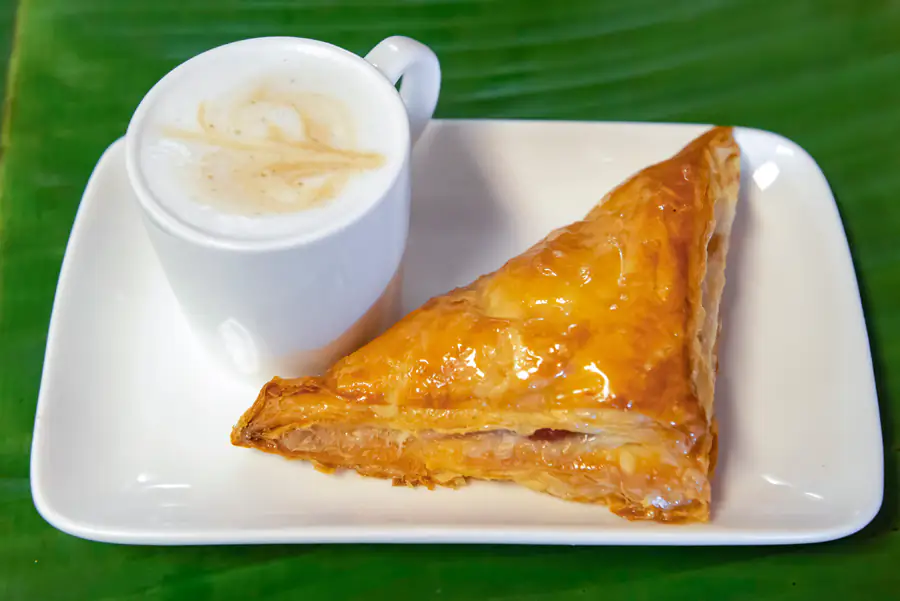
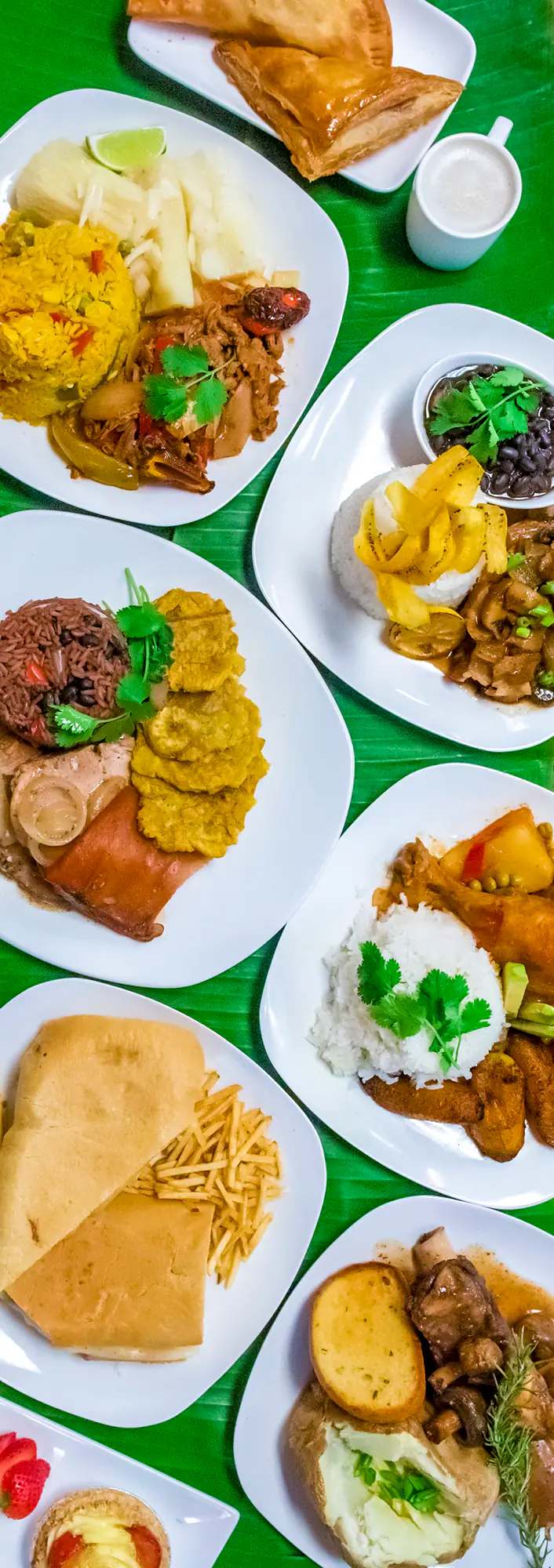
Walk into a good Cuban bakery early enough and the first thing you notice is not the display case. It is the smell. Espresso hits first, dark and sweet, followed by butter, warm dough, and the faint caramel note that comes from sugar meeting heat. Then your eyes catch up. Trays of pastelitos, croquetas lined up behind glass, loaves stacked for sandwiches, maybe a few cakes waiting for birthdays or Sunday family visits. The room is busy, but it is not rushed in the way a chain coffee shop feels rushed. People know what they came for. A quick cafecito before work. A box of pastries for the office. Bread still warm enough to fog the bag.
That rhythm matters when you are looking for a true Cuban bakery Aurora CO locals return to more than once. A Cuban bakery is not just a place to satisfy a sweet tooth. It sits somewhere between neighborhood café, breakfast counter, pastry shop, and community anchor. The best ones handle all of that without making it look difficult.
Aurora is a city where food cultures live close together. That makes it a strong place to find bakeries that do more than one thing well. Cuban baking, in particular, rewards repetition. The first visit may be about curiosity. The second is about preference. By the third, you know whether you want your café con leche stronger, whether the guava pastry is best slightly warm, and whether you should buy an extra croqueta because one is never enough.
The heartbeat of the shop starts with cafecito
If you have never had Cuban coffee in its proper setting, it can be surprising. Cafecito is small, intense, and sweet. It is not built for lingering over a laptop. It is built to wake you up and sharpen the morning. The sweetness is not an afterthought. In a traditional preparation, sugar becomes part of the structure of the drink, not just a packet added at the counter.
A well-made cafecito carries a thick aroma and a concentrated body that stands up to the sugar instead of disappearing under it. You drink it in a few sips, and it does its job fast. For many regulars, that little cup is the reason the bakery visit happens at all. The pastry comes after.
There is a practical side to this that people sometimes miss. Cuban coffee is strong enough that your pastry pairing matters. A very sweet pastry next to a very sweet espresso can be too much unless the balance is right. That is why bakery staff who know their case can steer you well. They know when someone should take the flaky sugar crust of a pastelito de guayaba and when a savory bite, like a ham croquette, will make the coffee taste even better.
Café con leche brings a different mood. It softens the edges and turns coffee into something that can carry breakfast. If the bakery does it right, the milk is hot without tasting scorched, and the espresso still cuts through. This is the order for people who want to sit for a few minutes, tear bread, talk, and settle into the morning instead of launching straight into it.
The pastry case tells you what kind of bakery you are in
A display case can reveal a bakery’s priorities in under a minute. You look for abundance, yes, but also consistency. Are the pastries uniformly baked? Do the glazes look fresh instead of tired? Is the puff pastry shattering in delicate layers, or does it sit dense and greasy? In a strong Cuban bakery, texture is never accidental.
Pastelitos are often the first item people notice because they are visually inviting and easy to love. Guava is the classic introduction, especially for someone coming from outside Cuban food traditions. The filling has a bright fruit note and enough sweetness to feel indulgent, but the real https://privatebin.net/?2ee41dbff275c57d#3FqJbzTsZGKMkCuz5r5U6d1Aaqmkobr8ekx3UkYum2Gq test is the pastry itself. The shell should be crisp, flaky, and light enough that it does not collapse into chewiness. If cream cheese joins the guava, the best versions use it as contrast, not as a heavy blanket.
Then there is the coconut option, sometimes less flashy but deeply satisfying when executed well. Coconut pastries can turn cloying if the filling is too wet or oversweetened. Good bakers keep the coconut distinct and aromatic, with enough restraint that the butter in the dough still matters.
Savory pastries deserve just as much attention. A bakery that does only sweet items well is a pastry shop. A Cuban bakery earns more loyalty when it can move confidently across sweet and savory without losing precision. Meat-filled pastries should taste seasoned, not salty. Cheese pastries should have character, not just melted volume. Even something simple, like a plain roll used for sandwiches, tells you whether the bakery understands structure, fermentation, and timing.
What separates memorable bakeries from merely decent ones is how the case changes through the day. Morning pastry should taste newly baked. Midday offerings need careful replenishment so that regulars are not left with leftovers posing as fresh stock. By late afternoon, some items naturally sell out, and that can be a good sign. A bakery with no empty space at all hours may be overproducing. One with smart sell-through is baking for demand, not for appearance.
Bread, not just sweets, is where craft shows up
People who do not grow up around Cuban bakeries sometimes focus on pastries and overlook the bread. That is a mistake. Bread is where technical discipline becomes obvious. It has to be baked consistently, often in quantity, and it has to be useful. This is bread for real meals, not just for admiration.
Cuban bread should have a light interior and a crust with enough snap to hold up in a pressed sandwich. It should not be so airy that it disappears under fillings, and it should not be so tough that every bite turns into a wrestling match. Freshness matters here more than almost anywhere else in the bakery. Bread can go from excellent to merely acceptable in a short window, especially in Colorado’s dry climate.
That local climate matters more than many people realize. Baking in Aurora is not identical to baking in South Florida. Altitude and dryness affect dough behavior, proofing times, and moisture loss. Skilled bakers adapt. They may adjust hydration, tweak bake times, or structure production around shorter holding windows. Customers may not see those decisions, but they taste them. Bread that stays tender inside without turning gummy is not an accident.
Once the bread is right, the sandwiches start making sense. Cuban sandwiches draw plenty of attention, understandably, but even a simpler breakfast sandwich on fresh Cuban bread can tell you whether the bakery is paying attention. A pressed sandwich should come out crisp outside, warm through the center, and balanced so one ingredient does not dominate the rest. Pickles, pork, ham, mustard, cheese, bread, each component has to hold its place.
Savory staples give the bakery its daily pull
Pastries may bring in first-time visitors, but savory foods often create regulars. Croquetas are the classic example. They look simple. They are not simple to do well. The filling has to be smooth and flavorful. The shell has to fry evenly. The inside should stay creamy without turning loose, and the crust should stay crisp long enough to survive the walk from counter to table.
Ham croquetas are common for a reason. They are rich, salty, and ideal with coffee. Chicken can be excellent too if the seasoning is thoughtful. Cheese versions require restraint because too much molten filling can overwhelm the crisp shell. What you want is contrast, not a grease burn and a mess.
Empanadas, if offered, bring another layer. The dough can be baked or fried depending on style, but either way it should support the filling rather than dominate it. Beef fillings need depth and enough moisture to stay pleasant without soaking the crust. Chicken should be savory and aromatic, not just shredded protein in disguise.
This is also where a bakery’s operational discipline shows. Savory items spend time in warming cases or rotate in batches. Hold them too long and texture suffers fast. A bakery that watches those details earns trust. You start ordering freely because you know they are not relying on your politeness to move yesterday’s product.
What to order on a first visit
If you are walking into a Cuban bakery Aurora CO spot for the first time, a balanced order gives you the clearest read on the kitchen.
- A cafecito or café con leche, depending on how strong you like your coffee
- One sweet pastry, preferably guava or guava with cheese
- One savory item, such as a croqueta or meat pastry
- Fresh bread, if available, even if you save it for later
- A pressed sandwich if you are visiting around lunch
That combination lets you taste the full range of the bakery’s strengths. You get coffee, lamination or pastry work, frying or savory prep, bread quality, and how the place handles made-to-order food. After that, you will know whether to come back for breakfast, lunch, or a pastry run before a family gathering.
Timing changes the experience more than most people expect
A Cuban bakery behaves differently at 8 a.m. Than it does at 1 p.m. The same shop can feel like two businesses depending on when you arrive. Early morning is usually about coffee, bread, and first-bake pastries. The energy is brisk. Orders are concise. People are heading to work, school, errands.
Midmorning can be the sweet spot if you want a better look at the case and a less hurried interaction. There is enough stock to choose carefully, but the initial rush has eased. That is often when staff have a moment to answer questions, make suggestions, or tell you what came out especially well that day.
Lunch shifts the focus to sandwiches and savory foods. The bakery becomes a meal stop, not just a coffee counter. If the place has good flow, the kitchen and front counter work almost as one unit. If the operation is less polished, lunch exposes it quickly. Orders back up, pressed sandwiches come out unevenly, and hot items linger too long. Watching how a bakery handles lunch tells you a lot about its depth.
Late afternoon can go either way. Some bakeries are still strong then, especially if they bake in waves. Others are best visited early, when texture is at its peak. There is no shame in asking what is freshest. In fact, the answer usually tells you how seriously the bakery takes quality.
The family side of the bakery matters too
One of the reasons Cuban bakeries endure is that they serve individual cravings and group needs at the same time. The single coffee for a quick stop matters, but so does the box of pastries someone picks up on the way to a birthday, church gathering, office meeting, or Sunday visit to relatives. Bakeries that understand this make it easy to buy for the room, not just for yourself.
That usually shows up in portioning and variety. Pastries are often small enough to encourage sampling. A family can bring home an assortment, cut some in half, and turn the box into a conversation. Someone wants guava, someone wants coconut, someone reaches for savory first, and nobody leaves disappointed. That is part of the culture around the bakery. Sharing is built in.
There is also a practical comfort in foods that travel well. Pastelitos hold up during the drive. Croquetas can be reheated with decent results if they are well made to begin with. Bread can carry into dinner. A bakery becomes part of household rhythm because it fits real life, not because it demands a perfect dining moment.
Quality is often visible in the small details
People tend to judge food dramatically, as either amazing or bad, but bakery quality often lives in smaller distinctions. Is the sugar topping on the pastry still crisp, or has moisture dulled it? Does the coffee taste freshly pulled, or has it been sitting? Is the bread bagged while still too hot, trapping steam and softening the crust? These are not glamorous details, but they separate competent shops from trusted ones.
Service plays a role too. The most experienced bakery counters move with a kind of practiced economy. Orders are called, trays are boxed, coffee is poured, and nothing feels theatrical. Staff may be fast, but they are not indifferent. They know the case. They know what sold early. They know what to recommend when someone asks for something not too sweet.
For newcomers, that guidance matters. Cuban pastries and snacks are approachable, but names alone do not always tell the full story. A strong bakery meets customers where they are. It can serve the regular who orders in a few words and the first-timer who needs context.
Pairings that make the visit better
Some combinations work so well that they almost feel built into the architecture of the bakery.
- Cafecito with a ham croqueta, for a fast, savory morning stop
- Café con leche with a guava and cheese pastelito, for a softer breakfast
- Fresh Cuban bread with butter, paired with coffee, when you want simplicity
- A pressed sandwich with a pastry to take home, when lunch turns into later
- Assorted pastries for sharing, especially if you are bringing something to a group
The point of pairing is balance. Strong coffee likes either buttery sweetness or salty richness beside it. Heavier savory items often benefit from the sharper edge of straight espresso, while milk coffee suits pastries that lean creamy or fruity.
Why a good local bakery keeps earning return visits
A bakery can get a first visit through curiosity. It earns repeat business through reliability. That is especially true in a city like Aurora, where people have options and where local loyalty is built one meal at a time. If the coffee is consistently right, the pastry case stays fresh, and the bread supports the rest of the menu, customers notice.
The phrase Cuban bakery Aurora CO may sound like a simple location-based search, but behind that search is usually something more specific. Someone wants a place that feels rooted. They want food with character. They want to walk in and sense that the recipes come from memory as much as from measurement. That does not mean the bakery needs to feel frozen in time. It means the essentials should be respected.
You see that respect in places that do not overcomplicate the menu just to look modern. The classics are there because they work. Guava pastry still matters. Croquetas still matter. Bread still matters. Coffee absolutely matters. A bakery can add new ideas, seasonal items, or broader Latin influences, but if the foundations are weak, none of that carries much weight.
There is also a comfort to finding a shop that suits more than one kind of day. Some mornings call for nothing more than a quick cafecito at the counter. Some afternoons call for a sandwich and a boxed pastry for later. Some weekends call for enough food to feed a table. The best bakeries adapt to all of it without losing their identity.
That is why people become regulars. Not because every visit is dramatic, but because every visit is useful, satisfying, and familiar in the best way. The coffee lands where it should. The pastry flakes properly. The bread does its job. The room has its own pulse. And when you leave with sugar on your fingertips and the smell of espresso still following you out the door, you understand why these places matter.
Cuba Bakery & Café
15028 E Mississippi Ave, Aurora, CO 80012
+1 303-752-2822
FAQ About Cuban bakery Aurora CO
What are Cuban pastries called?
Many small Cuban pastries are called pastelitos. They can have sweet or savory fillings, such as guava, cheese, guava and cheese, or seasoned meat. Cuba Bakery & Café lists guava, cheese, guava-and-cheese and beef pastries on its menu. Ask the bakery about current availability and ingredients when ordering.
What are traditional Cuban pastries?
Common Cuban bakery choices include flaky pastelitos filled with guava, cheese or meat. Cuban bakeries may also offer empanadas, breads and desserts alongside coffee. Cuba Bakery & Café lists pastelitos, several empanada fillings, pan Cubano and desserts such as tres leches and bread pudding. Selection can vary, so confirm the day's choices with the bakery.
What makes Cuban bread different?
Cuban bread is known for its light interior and a thin crust that becomes crisp when toasted or pressed. Traditional recipes often use lard, although ingredients vary by baker. It is commonly served as buttered toast or used for Cuban sandwiches. Cuba Bakery & Café lists pan Cubano and tostada on its menu; ask staff about the ingredients in their bread if you have dietary restrictions.