What Sets an Artisan Pie Shop Apart
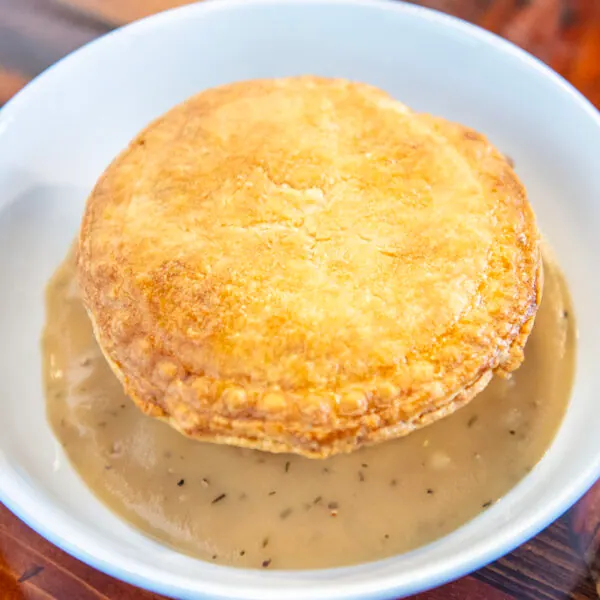

Walk into a true artisan pie shop and you can usually tell within a minute that you are not in an ordinary bakery. The difference is not just the smell, though that helps. It is in the pace of the room, the look of the display case, the flour on an apron, the slight irregularity in a hand-crimped edge, the way a staff member can explain why one apple pie bakes down softer than another. None of that happens by accident.
The word artisan gets overused. It has been stretched thin by packaging copy and chalkboard menus. In practice, though, an artisan pie shop earns the label through discipline, not branding. It comes down to ingredient standards, technique, restraint, and a willingness to do labor-intensive work that does not always scale neatly. A pie shop like that is not simply selling dessert. It is making dozens of small decisions every day that shape flavor, texture, consistency, and trust.
That standard matters because pie can be deceptively simple. Flour, fat, fruit, sugar, heat. Custard, cream, eggs, butter. The ingredient list is short enough that mistakes have nowhere to hide. If the crust is overworked, people notice. If the filling is over-sweetened, they notice that too. If the peaches came in underripe and the baker compensated badly, the whole pie tastes flat. There is very little room for bluffing.
The crust tells you almost everything
If you want to judge a pie shop quickly, start with the crust. Not the decorative top, the structure itself. Crust is the clearest marker of skill because it demands technical control at every stage. The flour choice matters. The fat matters. Temperature matters. Mixing time matters. Resting matters. Rolling pressure matters. Even the humidity in the room can matter on a busy production day.
A shop that treats crust as a signature rather than a container usually has strong habits behind the scenes. Dough is mixed just enough, chilled properly, and handled with respect. Butter may be left in visible pieces to create flake, or lard may be used for tenderness, or a blend may be chosen because one fat alone does not deliver the right balance. That is a judgment call, not a marketing gimmick.
You can see the difference in the finished slice. A good crust holds shape without turning tough. It cuts cleanly but still shatters delicately under the fork. It tastes like something on its own, not like dry wallpaper under the filling. That last point is easy to overlook. In a weaker pie shop, the crust is there to get out of the way. In an artisan pie shop, it is half the conversation.
I once watched a baker scrap an entire batch of dough because the butter warmed too far during lamination in a hot kitchen. That decision probably cost money that day. It also protected the standard customers came back for. That is the kind of unglamorous choice that separates serious pie makers from operators who just need product in the case by ten o’clock.
Ingredients are not a slogan
Most pie shops say they use quality ingredients. The phrase means very little unless you know how those ingredients are selected and how they behave in baking. Better shops do not rely on broad claims. They know which apples bake firm, which berries throw too much water, which chocolate sets cleanly in silk pie, and which dairy holds up in custard without becoming heavy.
Seasonality is one of the clearest dividing lines. An artisan pie shop does not pretend strawberries in January taste like strawberries in June. It either adapts the menu, preserves fruit at peak harvest, or uses frozen fruit with honesty and skill. There is no shame in frozen fruit when it is handled properly. In fact, for some products it is the smartest option. Fruit frozen shortly after harvest can outperform “fresh” fruit shipped too early and stored too long. What matters is whether the pie shop understands that distinction.
The same realism applies to sweeteners, spices, and flavorings. Good cinnamon is not interchangeable with tired supermarket dust that has sat open for months. A proper vanilla extract or bean paste changes the depth of a custard. Citrus zest brightens fruit fillings in a way bottled flavoring never quite can. Salt, used confidently, can rescue sweetness from becoming monotone. None of these are dramatic innovations. They are foundational choices, and they accumulate.
An artisan shop is also less likely to treat every pie as equally sweet. That restraint is one of the hardest things to teach. Many commercial desserts are calibrated for immediate impact, which usually means pushing sugar hard. But pie wants contrast. Tart fruit needs enough sugar to round it out, not enough to erase it. Chocolate pie needs bitterness in the background. Butterscotch needs warmth, not a sugar hammer. The best pie makers understand where to stop.
Technique is where craft becomes visible
People often romanticize handmade food, but handwork alone does not guarantee quality. Plenty of pies made by hand are mediocre. Craft shows up when handwork is paired with repeatable technique. That means the shop knows why it docks one crust but not another, why one filling must cool before assembly, why a crumb topping should be mixed to a certain texture, why an egg wash is applied lightly, and why some pies need a hot start in the oven while others bake low and slow.
Fruit pies are a good example. On paper they seem forgiving. In reality, they are one of the trickiest categories in the case. Fruit moisture varies from batch to batch. Thickener behaves differently depending on sugar concentration and bake time. Cut size affects how the filling settles and whether slices hold. A skilled pie shop adjusts rather than follows a rigid formula blindly.
Here are a few places where that skill shows up clearly:
- The filling sets without becoming gummy or runny.
- The bottom crust is baked through, not pale and damp.
- The top crust or streusel adds contrast instead of collapsing into softness.
- The fruit still tastes like itself after baking.
- The slice keeps its integrity on the plate.
Those five outcomes sound basic, but anyone who has worked a pastry station knows they are earned. They require testing, note-taking, and a fair amount of humility. A baker who assumes pie is easy usually learns otherwise after serving a few trays of soupy peach pie or slicing a meringue that weeps by lunch.
Custard and cream pies bring a different set of demands. Temperature control becomes more exacting. Fillings can curdle, split, or skin over. Meringue can overbrown before it sets. Whipped toppings can slump under refrigeration. Chocolate can seize. The better pie shop does not eliminate those risks by luck. It builds systems around them.
The menu reflects judgment, not excess
One hallmark of an artisan pie shop is that the menu feels intentional. That does not mean small for the sake of being small. It means the shop offers what it can execute well, with enough variation to keep interest but not so much that quality thins out. A case with twelve excellent pies is more impressive than a case with thirty average ones.
This is where experience often beats ambition. New operators sometimes try to be everything at once, savory pies, fruit pies, cream pies, hand pies, quiches, cakes, cookies, breakfast pastries, wedding desserts. The result is predictable. Production becomes chaotic, prep lists balloon, ingredient waste rises, and signature products lose focus. An artisan pie shop usually learns to edit.
That editing extends to flavor design. Good shops know when to leave a classic alone. Apple pie does not need rosemary, bourbon, smoked salt, black pepper, caramel drizzle, and a crumble top all at once. Creative flavors can absolutely work, but they need a clear point of view. The best seasonal pies often hinge on one smart accent, not six competing ones. Pear with ginger. Cherry with almond. Pumpkin with a properly balanced spice profile and real depth, not just more cinnamon.
Savory pies expose this principle especially well. A meat pie or vegetable galette has nowhere to hide if the seasoning is timid or the filling is wet. A shop that includes savory options successfully is usually thinking like a cook as much as a baker. It understands reduction, binding, starch behavior, and how flavor changes when enclosed in pastry. That hybrid skill set is rare enough to notice.
Small-batch production changes the result
Scale influences quality more than most customers realize. A pie shop making small batches can taste, adjust, and react in ways a larger operation cannot. If the rhubarb is especially sharp that morning, the baker can compensate. If a peach batch is throwing extra juice, the formula can shift. If a crust mix is slightly dry, it can be corrected before 40 pies are affected.
That flexibility is one reason many artisan shops have devoted followings. Customers may not be able to articulate what they are sensing, but they register the liveliness of food made by people paying attention in real time. The pies taste less standardized and more alive.
There are trade-offs, of course. Small-batch production usually means higher prices, more limited quantities, and occasional sellouts. Some customers find that frustrating. Yet scarcity in a good pie shop is often a byproduct of integrity rather than poor planning. A bakery that refuses to hold cream pies too long or bake extra fruit pies “just in case” may disappoint a few late arrivals, but it protects the experience for everyone else.
The best operators communicate that balance well. They tell customers when to preorder for holidays. They explain which items are available only on certain days because those products require extra labor or because ingredients are at peak quality only briefly. That transparency builds patience instead of resentment.
Staff knowledge matters more than décor
A charming interior helps. So does beautiful packaging. Neither one can compensate for a staff that cannot answer basic questions. In an artisan pie shop, front-of-house knowledge is part of the product. Customers ask about allergens, fruit sourcing, sweetness levels, reheating instructions, and the difference between chess pie and buttermilk pie. The staff should be able to respond with confidence and specifics.
That level of knowledge changes the buying experience. Someone who wants a pie for a dinner party may need guidance on serving temperature or slicing. Someone choosing between key lime and coconut cream may appreciate a comparison of texture and acidity. Someone buying for an older relative may care whether the crust is especially flaky or firmer and easier to handle. These details sound minor until you see how often they determine whether a customer comes back.
A well-run pie shop also trains staff to set expectations honestly. If a pie is more rustic than polished, say so. If a seasonal special contains a https://zionhkdv834.terracolumn.com/posts/the-best-ways-to-enjoy-fresh-pie-shop-desserts stronger spice note than usual, mention it. If a meringue pie is best eaten the same day, do not oversell its shelf life. Trust is built as much through accurate guidance as through baking itself.
The shop’s standards show up after the pie leaves the counter
One underrated sign of an artisan operation is how well the pie performs at home. Some pies taste fine in the shop but travel poorly, sog, separate, or become difficult to serve. Better pie shops think through packaging, storage, and customer handling. Boxes fit the pie properly. Labels are readable. Reheating instructions are realistic. Cream pies are boxed cold and stabilized enough to survive the ride without turning rubbery.
This is practical craftsmanship, and it matters. Many pies are bought for events, gifts, or holiday tables, not eaten immediately on-site. The baker who understands that context will build products and systems around it. A double-crust apple pie meant for reheating at home may be baked differently from a slice intended for same-day café service. A chilled banana cream pie may need a distinct topping strategy if it will sit in a refrigerator for six hours before serving.
Customers remember these things. They may not praise the box design directly, but they remember whether the pie arrived intact and sliced well in front of guests. Reliability is a form of hospitality.
Originality is quieter than most people think
When people picture artisan food, they often imagine novelty. Strange flavor combinations. Unexpected garnishes. Reinventions of classics. Those can be fun, but originality in a pie shop is usually subtler. It shows up in a brown butter pecan pie with a cleaner finish, not just more sweetness. It appears in a plum pie that respects the fruit’s tart skin instead of sanding it down. It might be a savory hand pie built around roasted leeks and aged cheddar because the baker understands how those flavors deepen in pastry.
In other words, originality often comes from refinement rather than spectacle.
That kind of refinement takes time. It comes from baking the same pie dozens or hundreds of times and making small adjustments. Maybe the all-butter crust gets a touch more rest between turns. Maybe the apple blend shifts from one variety to three because the texture is more interesting. Maybe the sugar level drops by 8 or 10 percent because regulars keep finishing the slice instead of stopping halfway. Those are not flashy moves, but they are the mark of a shop paying attention.
Consistency is harder than creativity
A great pie once is nice. A great pie every Friday for two years is a business. Consistency is where many promising bakeries stumble. The challenge is not just maintaining recipes. It is maintaining execution across changing weather, ingredient variability, staffing changes, holiday volume, and plain human fatigue.
An artisan pie shop builds routines that protect quality under pressure. Dough may be mixed in specific batch sizes because larger volumes warm too quickly. Fruit may be portioned by weight, not by sight. Blind-baked shells may be rotated at exact intervals because one hot spot in the oven has already caused trouble before. Cooling racks may be spaced with intention because trapped steam can ruin texture.
None of that sounds romantic, but that is the job. Craft lives in systems as much as in inspiration.
This is also where leadership matters. The owner or head baker sets the tolerance level. If a pie with a broken edge still tastes wonderful, it may go to the slice case rather than be discarded. If the custard texture is off, it may be pulled entirely. Knowing the difference between cosmetic imperfection and quality failure is part of professional judgment. So is teaching a team to recognize it.
Price reflects labor more than many customers realize
One question hangs over almost every artisan food business: why does this cost more? In a pie shop, the answer is usually straightforward. Laminated or flaky dough is labor-heavy. Fruit prep takes time. Butter is expensive. Good chocolate is expensive. Skilled bakers are expensive, or should be. Waste is real. Seasonal ingredients can spike. Holiday production often requires overnight shifts and extra refrigeration.
A mass-produced supermarket pie spreads those costs differently. It may use cheaper fat, more stabilizers, preprocessed fillings, frozen shells, and highly optimized labor. That does not automatically make it bad. It does mean the product is built to different priorities. An artisan pie shop is usually prioritizing flavor, texture, freshness, and integrity over absolute uniformity and minimum cost.
Customers are often willing to pay that premium when the quality is obvious. Problems arise when the story and the pie do not match. If a shop charges artisan prices while serving bland fillings and tough crust, word gets around fast. Pie is nostalgic food, but buyers are not sentimental about being overcharged.
A strong pie shop earns its price through experience, not explanation.
The emotional side of pie still matters
For all the talk of technique and sourcing, pie remains deeply personal. People bring pies to funerals, birthdays, Thanksgiving tables, new neighbors, apologies, and Sunday suppers. They buy the flavor their grandmother made, or the one she never had time to make. They show up looking for comfort as often as for dessert.
An artisan pie shop understands that emotional weight without exploiting it. It respects tradition while still cooking in the present. It knows that a coconut cream pie can trigger memory, but memory alone will not save a sloppy product. Sentiment might win the first sale. Quality wins the second.
That is why the best pie shops tend to feel grounded. They may be stylish, but they are not trying too hard to perform authenticity. The work itself carries the message. The crust is right. The fillings are balanced. The staff knows the product. The menu has a point of view. The standards hold on a quiet Tuesday and the day before Thanksgiving.
If you strip away the décor, the branding, and the vocabulary, what sets an artisan pie shop apart is simple to describe and difficult to execute. It is care made visible. Not vague care, not sentimental care, but practiced, skilled, disciplined care. You taste it in the crust first. Then in the fruit, the custard, the finish, the slice that holds together, and the one detail the shop refused to fake.
That is why some pie shops become landmarks while others remain interchangeable. One is selling pie. The other is building a reputation, one well-made crust at a time.
3.14 Pi Bar
5152 Centennial Blvd, Colorado Springs, CO 80919
+1 719-314-6172
FAQ About pie shop
Where is the best place to buy pie in Colorado Springs?
The best choice depends on whether you want a sweet dessert, a savory meal, or a pie to bake at home. 3.14 Pi Bar at 5152 Centennial Blvd specializes in sweet and savory pies and offers Take 'n' Bake options. Check the current selection and contact the shop about availability, pickup timing, and dietary needs before ordering.
Who makes the best pot pies in Colorado Springs, CO?
Preferences vary by filling, crust, and portion size. 3.14 Pi Bar offers hearty savory pot pies alongside its sweet pies. Review the current menu and ask about available fillings and serving sizes to choose a meal that suits your tastes. Specific varieties may change.
Who has the best apple pie in Colorado Springs?
Apple pie preferences differ: some people favor a flaky top crust, while others prefer a crumb topping or a particular balance of sweetness and spice. 3.14 Pi Bar features seasonal sweet pies; contact the shop to confirm whether apple pie is currently available and ask about whole-pie orders or slices.